The Power of Innovation: Energy Efficient Solutions for a Sustainable Future
In a world where the demand for energy is ever-increasing, the need for innovative and sustainable solutions has never been more pressing. The power of innovation in the realm of energy efficiency is paving the way for a future that is not only environmentally friendly but also economically viable. By harnessing the potential of cutting-edge technologies and creative ideas, we are moving towards a world where energy consumption is minimized, and the impact on the planet is reduced.
Harnessing Renewable Energy Sources
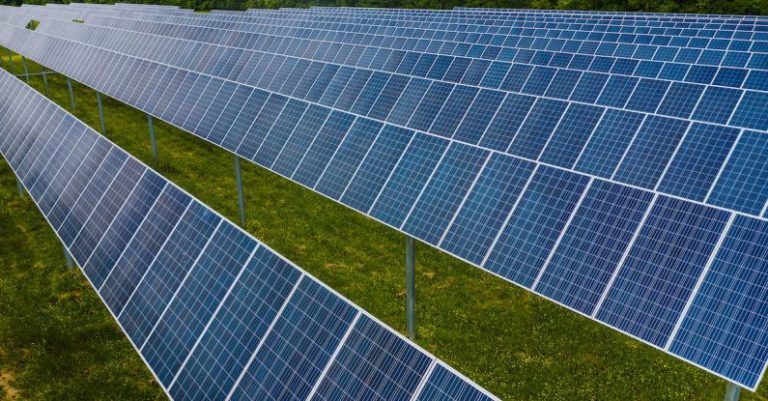
One of the key pillars of energy efficiency lies in the utilization of renewable energy sources. Solar, wind, hydroelectric, and geothermal energy are just a few examples of clean and sustainable alternatives to traditional fossil fuels. By harnessing the power of these resources, we can reduce our reliance on finite and environmentally harmful energy sources. The development of more efficient solar panels, advanced wind turbines, and innovative geothermal systems is enabling us to tap into the vast potential of renewable energy on a larger scale than ever before.
Smart Grid Technology for Optimal Energy Distribution
The integration of smart grid technology is revolutionizing the way we distribute and consume energy. Smart grids utilize advanced communication and control systems to optimize the flow of electricity, minimize transmission losses, and improve overall efficiency. By providing real-time data on energy consumption and production, smart grids enable utilities to better manage supply and demand, leading to a more reliable and cost-effective energy infrastructure. This technology also facilitates the integration of renewable energy sources into the grid, making it easier to incorporate fluctuating solar and wind power into the energy mix.
Energy-Efficient Buildings and Appliances
Buildings are significant consumers of energy, accounting for a considerable portion of global electricity usage. By implementing energy-efficient design strategies and technologies, such as improved insulation, energy-efficient lighting, and smart heating and cooling systems, we can drastically reduce the energy consumption of buildings. Similarly, the use of energy-efficient appliances and equipment in homes and businesses can lead to significant energy savings over time. Advances in building materials and construction techniques are also contributing to the development of sustainable and eco-friendly structures that require less energy to operate.
Transportation Innovation for a Greener Future
The transportation sector is a major contributor to greenhouse gas emissions and energy consumption. The development of electric vehicles (EVs), hybrid cars, and alternative fuels is transforming the way we think about transportation. By transitioning away from traditional gasoline-powered vehicles to cleaner and more energy-efficient alternatives, we can reduce our carbon footprint and decrease our reliance on fossil fuels. EVs, in particular, are becoming increasingly popular as advancements in battery technology enable longer driving ranges and faster charging times, making them a viable option for environmentally conscious consumers.
The Role of Energy Storage in a Sustainable Energy Future
Energy storage is a critical component of the transition to a more sustainable energy future. As we rely more on intermittent renewable energy sources like solar and wind power, the need for efficient energy storage solutions becomes paramount. Batteries, pumped hydro storage, and other energy storage technologies play a crucial role in balancing supply and demand, storing excess energy when it is abundant and releasing it when needed. Innovations in energy storage are enabling us to create a more resilient and flexible energy system that can adapt to changing conditions and optimize energy usage.
Empowering Communities through Decentralized Energy Systems
Decentralized energy systems are empowering communities to take control of their energy production and consumption. By generating energy locally through solar panels, wind turbines, or other renewable sources, communities can reduce their dependence on centralized power grids and increase their energy independence. Microgrids, which operate independently or in conjunction with the main grid, provide a reliable and resilient energy solution for communities, especially in remote or disaster-prone areas. By fostering a more distributed and decentralized energy system, we can create a more sustainable and resilient energy infrastructure for the future.
A Sustainable Future Through Innovation and Collaboration
The power of innovation in energy efficiency is shaping a more sustainable future for generations to come. By harnessing the potential of renewable energy sources, smart grid technology, energy-efficient buildings, transportation innovation, energy storage, and decentralized energy systems, we are paving the way for a world where energy is cleaner, more affordable, and more accessible to all. Through collaboration and a shared commitment to sustainability, we can overcome the challenges of climate change and create a brighter future for our planet.