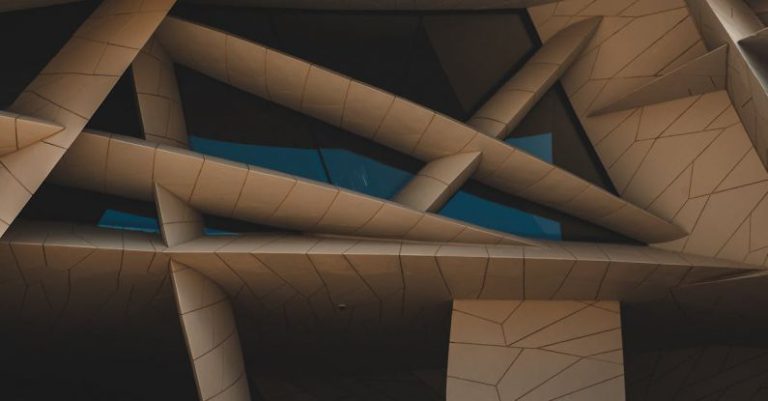
Innovation in Construction: Modernizing Infrastructure
Innovation in Construction: Modernizing Infrastructure
The construction industry is undergoing a transformation driven by technological advancements, sustainability concerns, and the need to meet the growing demand for infrastructure development. As populations increase and cities expand, the traditional methods of construction are no longer sufficient to keep up with the pace of development. To address these challenges, the industry is embracing innovation to modernize infrastructure and build smarter, more efficient, and sustainable structures for the future.
Meeting the Demand for Sustainable Infrastructure
The push for sustainable infrastructure is a key driving force behind the innovation in the construction industry. With the increasing awareness of environmental issues and the need to reduce carbon footprints, there is a growing demand for buildings and infrastructure that are energy-efficient and environmentally friendly. Innovations such as green building materials, energy-efficient design techniques, and renewable energy systems are being integrated into construction projects to meet these sustainability goals.
Adopting Advanced Construction Technologies
The adoption of advanced construction technologies is revolutionizing the way buildings are designed, constructed, and maintained. Building Information Modeling (BIM) is one such technology that is transforming the industry by enabling architects, engineers, and construction professionals to create detailed 3D models of buildings and infrastructure projects. This not only improves collaboration and communication among project stakeholders but also helps in detecting potential design flaws early on, leading to cost savings and improved project timelines.
Prefabrication and Modular Construction
Prefabrication and modular construction are gaining popularity in the construction industry due to their efficiency and cost-effectiveness. By manufacturing building components off-site in a controlled environment, construction companies can reduce on-site labor requirements, minimize material waste, and accelerate project timelines. Prefabricated buildings can be assembled quickly and with greater precision, leading to faster project delivery and higher quality structures.
Incorporating Robotics and Automation
Robotics and automation are playing an increasingly important role in modernizing the construction industry. From autonomous vehicles for site surveying and material handling to drones for aerial inspections and monitoring, these technologies are improving efficiency, safety, and accuracy on construction sites. By automating repetitive tasks and utilizing robotics for complex operations, construction companies can enhance productivity and reduce the risk of human error.
Embracing Sustainable Building Materials
The use of sustainable building materials is a growing trend in the construction industry as companies seek to reduce their environmental impact and create healthier indoor environments. Materials such as recycled steel, bamboo, reclaimed wood, and low-emission concrete are being used to construct buildings that are not only durable and aesthetically pleasing but also eco-friendly. By choosing sustainable materials, construction companies can contribute to the preservation of natural resources and reduce the carbon footprint of their projects.
Collaboration and Knowledge Sharing
Innovation in construction is not just about adopting new technologies but also about fostering collaboration and knowledge sharing within the industry. By partnering with other stakeholders, sharing best practices, and investing in research and development, construction companies can stay ahead of the curve and drive continuous improvement in project delivery and outcomes. Collaboration between architects, engineers, contractors, and suppliers can lead to innovative solutions that address the challenges of modern infrastructure development.
The Future of Construction: A Sustainable and Smart Ecosystem
As the construction industry continues to evolve, the future of infrastructure development lies in creating a sustainable and smart ecosystem that integrates cutting-edge technologies, sustainable practices, and collaborative approaches. By embracing innovation and modernizing infrastructure, construction companies can build a better future for generations to come, one that is resilient, efficient, and environmentally friendly.
In Conclusion: Building for Tomorrow
In conclusion, innovation in construction is essential for modernizing infrastructure and meeting the challenges of a rapidly changing world. By adopting advanced technologies, sustainable practices, and collaborative approaches, the industry can create smarter, more efficient, and resilient structures that will stand the test of time. As we look towards the future, it is clear that the construction industry plays a crucial role in shaping the built environment and ensuring a sustainable future for all.